Commercial Strength, Residential Soul

Today we are exploring sourcing contract-grade fixtures and furnishings for home use, translating the reliability of hospitality, workplace, and healthcare products into everyday comfort. You will learn how to read durability tests, find reputable suppliers, balance aesthetics with practical constraints, and choose pieces that age gracefully. Along the way, we will share stories from real homes, money-saving strategies, and maintenance rituals that keep everything looking fresh. If you are curious about integrating hotel-tough seating, restaurant-ready lighting, or school-proof finishes into living spaces, this friendly guide will help you start strong. Ask questions, compare notes, and share your finds with our community.

Decoding Durability Standards That Actually Matter

Contract-grade is more than a marketing phrase; it is a promise backed by measurable tests and certifications that anticipate heavy use, frequent cleaning, and safety-critical performance. Understanding Wyzenbeek or Martindale abrasion results, BIFMA structural criteria, UL or ETL electrical listings, and fire and air-quality standards helps you separate real workhorses from lookalikes. When you recognize what the numbers signify in daily life—kids, pets, guests, spills—you buy with calm confidence. This foundation prevents costly mistakes and guides beautiful, resilient decisions that suit busy homes without feeling institutional. Save this primer, refer back often, and share your favorite certification tips in the comments.

Approaching Commercial Dealers as a Homeowner

Begin with clarity and courtesy. Explain your home project scope, quantities, and timeline, then request pricing on standard finishes and quick-ship options that avoid extended lead times. Ask whether they can sell directly to consumers or recommend a local partner. Reps often welcome organized homeowners who know their dimensions, clearance needs, and power locations. Request physical samples of upholstery, laminates, and powder coat chips, and verify cleanability instructions before finalizing. Prepare a simple drawing with measurements and photos so the team can catch tricky details early. Good relationships bring honest advice, smarter substitutions, and better follow-through. Say thanks, share progress photos, and keep communication friendly.

Liquidation and Surplus With Care

Hospitality liquidators and surplus dealers can deliver astonishing value, especially on table bases, barstools, casegoods, and lobby lighting. Inspect items carefully for wobble, rust, veneer chips, or bent frames. Ask how they sanitize and whether they guarantee functionality. For soft seating, check seams, webbing, and cushion cores; plan reupholstery with contract-grade textiles and fresh foam if needed. Use handheld steamers and approved disinfectants, and always practice bedbug prevention when bringing used hotel pieces home. A sturdy bones-first approach—refinish, rewire, or recoat—turns yesterday’s workhorse into today’s conversation piece. Share photos of transformations to inspire others hunting sustainable, budget-savvy upgrades.

Designing for Comfort Without Looking Like a Lobby

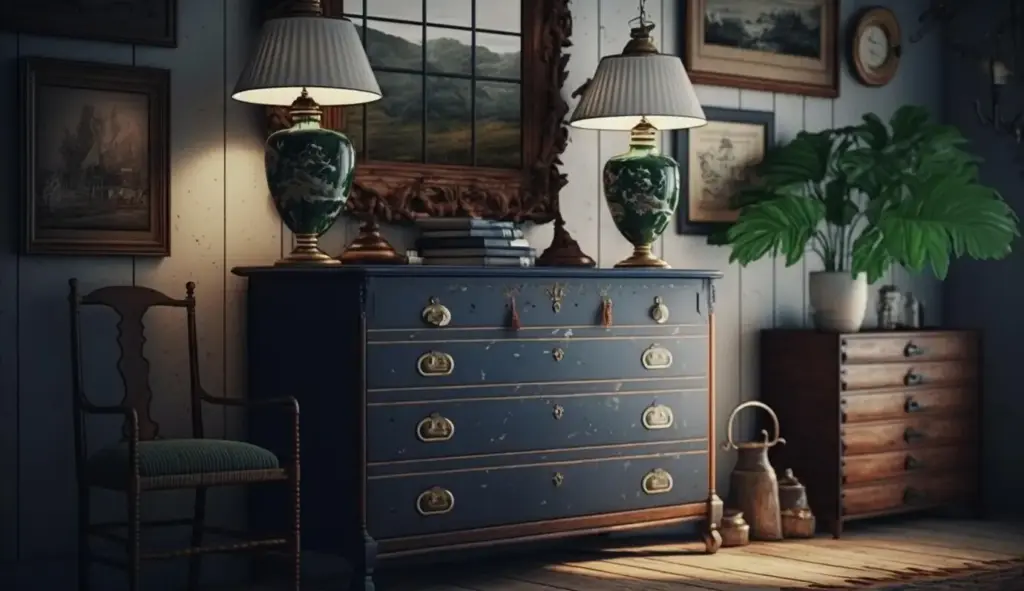
Durability should never feel cold. Blend hardworking surfaces with tactile layers, warm lighting, and gentle silhouettes to keep rooms human and inviting. Choose upholstery with subtle texture, timber with visible grain, and fixtures that dim smoothly for evening calm. Rounded corners soften robust casegoods; woven shades temper strong metals. Natural fibers, quiet colors, and a dash of playful pattern transform contract-capable foundations into cozy sanctuaries. Add plants or artwork to counterbalance precision. The result feels curated, not corporate. Share before-and-after photos, ask color questions, and compare fabric swatches with our community for supportive feedback as you refine your palette at home.

01

Scale and Proportion at Home

Commercial furniture sometimes runs larger to suit grand lobbies and generous aisles. Measure carefully. A barstool designed for a 42-inch bar may sit too tall at a 36-inch kitchen counter. Choose counter-height bases or trim seat thickness to maintain ergonomic comfort. Depth matters for conversation; oversized lounge pieces can crowd rooms and block pathways. Maintain clearances for doors, appliances, and seating movement. Lower backs often feel friendlier in small spaces, while slim arms create visual lightness. Mock up with painter’s tape or cardboard to test circulation and sightlines. Invite loved ones to try seating heights before buying, then share your successful proportions.

02

Softening Materials for Daily Warmth

If a sturdy table feels too crisp, layer an inviting runner, add tactile chair pads, and introduce a wool or jute rug that tolerates traffic. Mix metals with woods, and pair high-pressure laminate surfaces with linen drapery for movement and softness. Dimmable, warm-tone lamps rescue powder-coated frames from feeling severe. Rounded pulls or leather-wrapped handles add hand-friendly comfort. Consider plinth bases that hover off the floor, then contrast with plush throws that encourage lingering. Plants, ceramics, and books gently disrupt rigid lines while keeping maintenance simple. Share your favorite softening tricks that never compromise wipeability, durability, or cleaning routines in busy households.

03

Color and Pattern Strategies That Endure

Performance fabrics do not limit expression. Choose small-scale patterns that disguise crumbs and pet hair, then accent with solid pillows you can wash or replace. Tone-on-tone textures add depth without locking you into trends. Bleach-cleanable velvets and stain-resistant bouclés offer elegance with resilience. Use color to soften metal or stone: earthy greens and warm taupes ground robust frames, while muted blues calm high-activity rooms. Repeat finishes across rooms for cohesion, then add a single saturated hue in art or a rug. Share palettes that have survived kids, pets, and holidays, helping others commit to bolder choices with confidence.

Budget, Value, and the Full Life-Cycle


Evaluating cost means looking beyond the price tag to lifespan, maintenance, and repairability. Contract-grade pieces often cost more up front but demand fewer replacements, accept refinishing gracefully, and boast strong secondhand value. Consider shipping damages, installation hardware, electrical work, and fabric yardage when comparing quotes. Ask about stock finishes that avoid upcharges and study quick-ship collections to dodge delays. Keep a maintenance calendar and set aside funds for touch-up kits or fresh glides. A thoughtful plan turns investments into calm, predictable ownership. Share budgeting templates, ask for sample comparisons, and celebrate your savviest long-term wins with the community.

Installation, Codes, and Practicalities at Home

Sturdy products perform best with equally thoughtful installation. Plan backing for heavy shelving, verify stud locations, and choose anchors rated for your loads. Respect electrical and plumbing requirements, including wet or damp ratings for bath fixtures and proper junction boxes for hardwiring. Confirm dimmer compatibility, driver types, and bulb limitations before purchase. For plumbing, match valve bodies to trim and consider water-saving yet satisfying flow rates. Document serial numbers and warranty terms for future service. When in doubt, hire licensed pros and request permits where required. Share your installation checklists to help others avoid costly, frustrating callbacks.

Real Homes, Real Stories, and Mistakes to Avoid

Experience teaches quickly. We have seen families transform hectic entries with durable benches, upgrade small kitchens using restaurant-tough stools, and rescue dim bathrooms using damp-rated sconces with thoughtful dimming. We have also seen avoidable errors: wet-location lighting missed above showers, undersized anchors for heavy shelving, and upholstery that looked tough but failed cleaning tests. Learn from these wins and stumbles so your home enjoys lasting comfort without drama. Share your successes and near-misses, ask questions, and invite feedback. Together, our community becomes a reliable library of practical, lived-in wisdom for everyday spaces that endure gracefully.
Fupifavikivuvuko
Privacy Overview

This website uses cookies so that we can provide you with the best user experience possible. Cookie information is stored in your browser and performs functions such as recognising you when you return to our website and helping our team to understand which sections of the website you find most interesting and useful.